Juvenile Justice

Official intervention

Official referrals through the county, law enforcement, or a school resource officer (SRO).

Youth and family participation

Required intake and consent paperwork

Assessment

A harm repair plan developed with the youth and family

Examples: Official intervention referrals following theft, disorderly conduct, or a school incident involving a citation.

School intervention

Early support, including before a citation is issued.

Three sessions at school

Teen Intervene: Substance use support, including vaping, alcohol, or other substances.

Reasoning Skills: Analyzing situations, solving problems, and evaluating choices.

Family permission required

The school or referrer must obtain family confirmation that the student may meet with Lakes Center and document it on the referral form.

Developing healthy, positive decision making skills for a brighter future

If school intervention becomes an official referral

If a student is later charged and officially referred through the county, law enforcement, or a school resource officer, we meet with the youth and family and follow the full official intervention process to develop a harm repair plan. School intervention does not replace this process.

Your recommendations matter

Both referral forms include a place to suggest an intervention. We consider your recommendations when selecting school interventions and as we work with youth and families to develop harm repair plans through the official intervention process.

Juvenile Justice Services | Lakes Center

Juvenile Justice Services

Lakes Center’s Juvenile Justice Program works in partnership with parents, schools, and the justice system to develop healthy, positive decision-making skills and interrupt harmful behavior patterns.

Our staff helps youth who are involved in higher-risk behavior understand that they are responsible for the outcomes of their decisions and empower them to make better choices. By using programs designed to reduce problem behaviors, our intervention programs help individuals gain vital development skills that lead to healthier relationships, better decision making, and a deeper connectedness with family and community.

We believe the advice, guidance, and involvement of parents and guardians is essential for a youth’s success in life. Through parent/guardian involvement in this program, positive values are reinforced and integrated into daily life.

Program Options

General Intake/Assessment

$35 fee

Every referral starts with a general assessment. This is a one hour intake appointment where the youth is individually assessed using the MAYSI and YLS screening tools. A parent or guardian also must attend.

The MAYSI is a brief screening instrument designed to identify potential mental health needs of adolescents. The YLS is designed to provide a preliminary estimate of the level of risk for antisocial behaviors, as well as an indication of areas for intervention. The results of those tools, combined with an interview, are used to assign program components that are appropriate for the client.

We then work alongside the youth and family to develop a harm repair plan focused on accountability, repairing harm, and support.

Community Work Service

$20 fee

Community service gives a young person an opportunity to contribute through useful work as part of their plan. The process starts with a half hour meeting to discuss community work service options. Parents or guardians must also attend.

Individual Programs

Teen Intervene $35 per session

A program of 3 to 6 sessions based on the Hazelden curriculum. It is designed to help youth who are at risk for chemical abuse or dependency. Participants examine their use and make goals for reducing or quitting. A parent or guardian may need to attend part of the sessions.

Reasoning Skills $35 fee

Helps youth practice analyzing situations, solving problems, evaluating options, and considering consequences. The focus is on developing thinking skills that youth can use when making everyday choices.

Restorative Conversation or Circle No cost

A facilitated opportunity to discuss what happened, who was affected, and what could help repair harm. It supports accountability while giving people space to be heard. Staff review readiness, the circumstances, and who should participate before identifying an appropriate process.

Apology Letter

A chance for a young person to reflect on what happened, acknowledge how others were affected, and express responsibility in their own words. The focus is on thoughtful reflection rather than simply completing a writing assignment.

Restitution

Addresses financial harm when repayment is applicable to the referral. Staff review the details and circumstances with the family when developing the plan.

Educational Group Classes

Choices and Consequences Class $80 fee

A two hour class that focuses on decision making for teens. Activities teach teens how to reframe problems to help lead them to better solutions and more positive outcomes. Youth also learn how to break down their potential solutions so they can more easily pick the best one. Identifying how our choices affect others is part of the class, as well as strengthening assets and goal setting.

A parent or guardian is required to attend.

Self-Directed Education

No fee

Nicotine Education

Stanford My Healthy Futures Nicotine Curriculum. A 40 to 60 minute self-paced course for students to do on their own. It provides slides, activities, and interactive materials, using the principles of motivational interviewing and cognitive-behavioral therapy, to help students understand the harms of e-cigarettes and other tobacco products, identify reasons for and costs of using, cope with stress, and find resources to help them quit.

Cannabis Education

Stanford My Healthy Futures Cannabis Curriculum. A 40 to 60 minute self-paced course that helps students understand the harms of cannabis, its health effects on the body, stress and coping, and resources to quit.

Alcohol Education

EVERFI Alcohol Education Curriculum. A health and wellness course that takes a public health approach to preventing alcohol abuse. Through interactive real-world scenarios, students learn how to use their personal values and goals, resist peer pressure, and step in when they see someone who may be in trouble.

Prescription Drug Safety Education

EVERFI Prescription Drug Safety Curriculum. A health and wellness course about the potential dangers of misusing prescription medications, including fentanyl. Developed in partnership with Truth Initiative, it explores the impact misuse can have on teens’ physical and mental health, relationships, communities, and futures.

Support and Connection

For Young People (FYP) Free program

A program for students in grades 6 through 12 that brings mentoring, peer support, and positive activities together. Youth build relationships with caring adults, meet in small peer support Circles, and build skills.

Weekly gatherings are Tuesday evenings at Faith Lutheran Church in Forest Lake. FYP is not faith based. The church provides the gathering space.

  • 5:30 to 6:30 p.m.Student pickup
  • 6:30 to 7:00 p.m.Community time
  • 7:00 to 7:15 p.m.Social and emotional learning
  • 7:15 to 8:30 p.m.Circles and peer support
  • 8:30 to 9:30 p.m.Rides home

Lakes Center provides transportation for participating youth in the Forest Lake and North Branch areas. Van space is limited, and registration must be completed before attending. lakescenter.org/foryoungpeople

Individual Counseling

Clinical support for emotional, behavioral, and relationship concerns such as anxiety, depression, grief, trauma, and stress. A counseling referral involves its own intake and treatment planning. lakescenter.org/counseling

Family Counseling

Brings family members into the work of improving communication, navigating conflict, and strengthening relationships. It can help families explore patterns, practice skills, and build healthier boundaries. lakescenter.org/counseling

Make a Referral

The referral forms are at the top of this page. Choose the pathway that fits:

Official intervention

For referrals from the county, law enforcement, or a school resource officer.

School intervention

For school staff. Document family permission on the referral form.

Go to the referral forms ↑

Not sure which to use? Email Intervention@lakescenter.org or call 651 464 3685. Read the full referral guide

Our Juvenile Justice Staff

  • Mike Walton

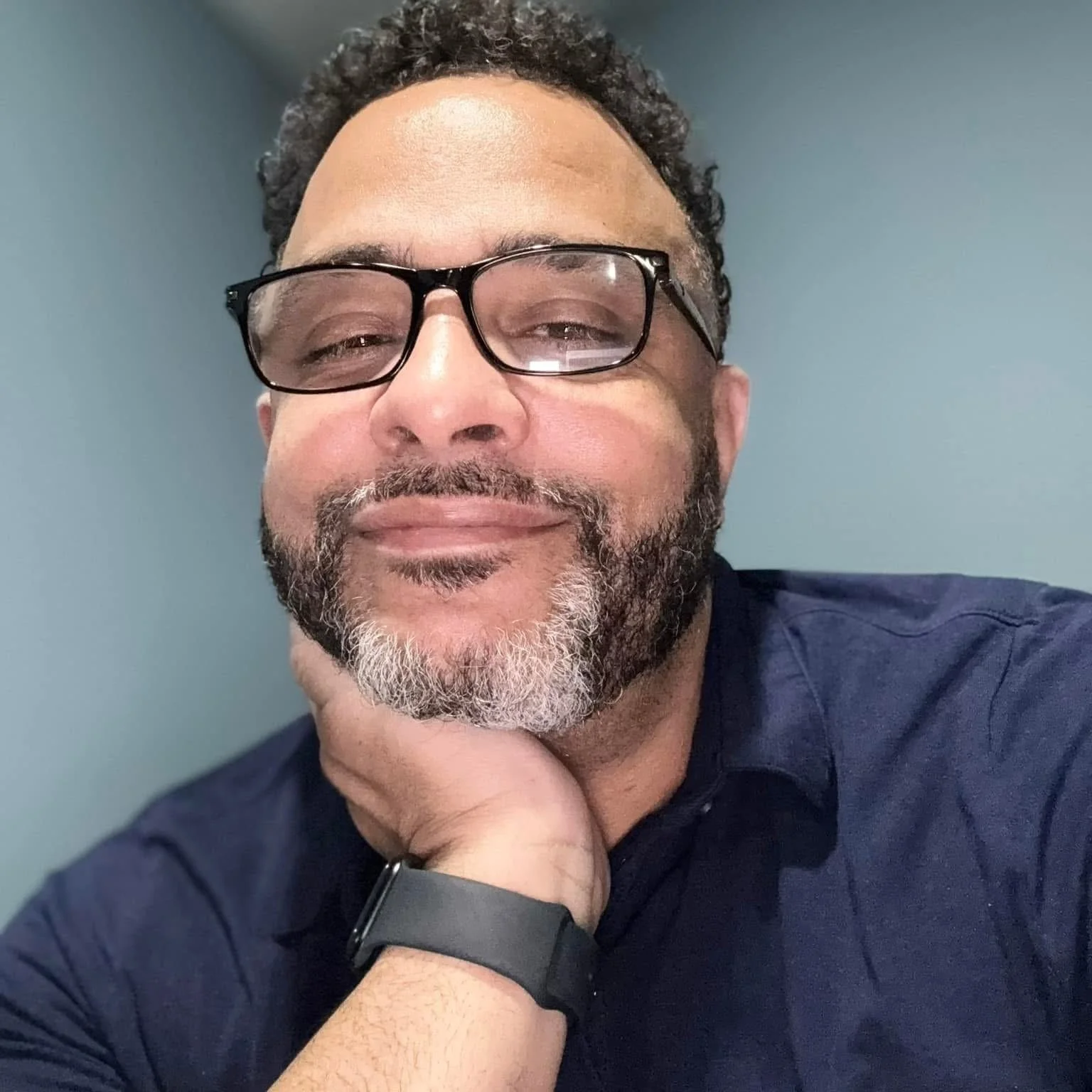
    Mike brings more than 20 years of experience in human services, including justice system services, case management, and facilitating anger management groups. Having worked with both youth and adults, he understands the importance of strong relationships in helping people move forward. At Lakes Center, Mike supports young people in taking responsibility, building skills, and working toward positive change while partnering with families throughout the process. He is also a proud father of three children.